1
Decide the Hook First
One question before any tool opens: why would someone click this? Every design choice serves that answer.
Reviewed by Thumbnail Studioo · Updated 15 August 2026
Start a 3-Day TrialAI thumbnail generator
Describe the thumbnail you want and generate it directly on this page.
Your thumbnail will appear here
Write a description and choose a style to get started.
The thumbnail is the preview image shown with your video title across YouTube. A custom thumbnail lets you choose the subject, framing, and visual promise instead of relying on an automatically selected frame.
This search usually happens after a few uploads with disappointing views. The videos are fine. The auto-generated screenshots are not, and the thumbnail is the one lever you have not pulled yet.
Describe your video to the AI thumbnail generator or upload your own image, add text in the editor, and export in 16:9 at HD, 2K, or 4K. Sign in to start.
How It Works
One question before any tool opens: why would someone click this? Every design choice serves that answer.
YouTube currently recommends 3840x2160. A 16:9 canvas lets you export at that size or choose a smaller HD preset without changing the composition.
Usually a face with a strong expression, filling about half the frame. Leave space for text.
Thick font, 80pt or bigger, white or yellow with a dark outline. If it blurs at phone size, go bigger.
Bright red, yellow, and electric blue pop against YouTube's white and grey. Muted tones vanish.
Choose JPG or PNG and confirm the final file size. YouTube currently lists different limits for desktop and mobile thumbnail uploads.
Best Practices
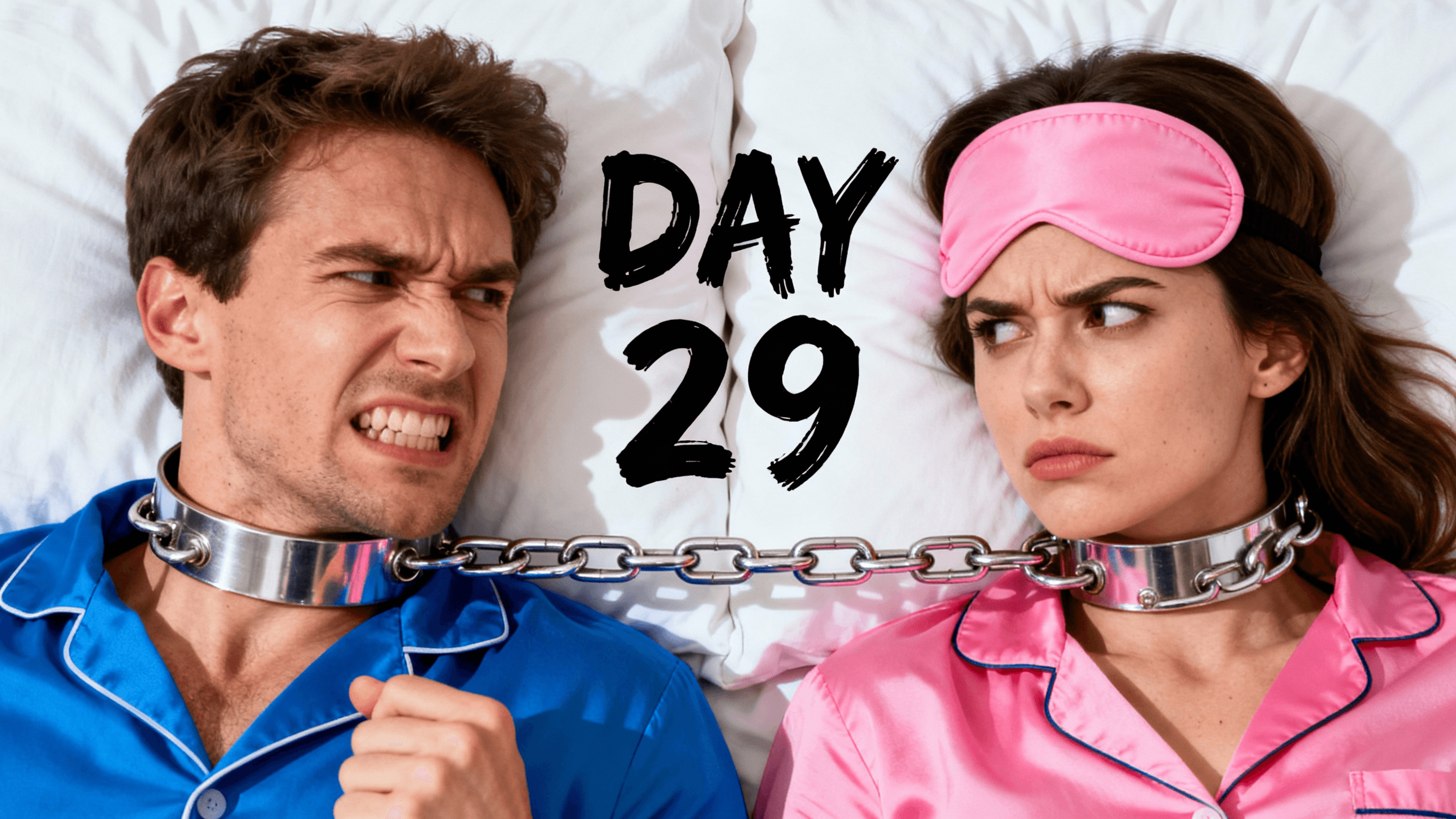
Show faces with strong emotions. Surprised, excited, or shocked expressions grab attention instantly. Neutral or calm faces get scrolled past without clicks.
Test thumbnails at mobile size before publishing. Shrink your design to 320px width on your phone. If text becomes unreadable or faces disappear, make them bigger.
Use the rule of thirds for composition. Place your main subject off-center at intersection points. Centered subjects look static and boring compared to dynamic positioning.
Match thumbnail energy to video content. Intense challenge videos need explosive colors and dramatic faces. Calm tutorials need clean designs with clear text. Mismatched energy feels like clickbait.
Keep brand consistency across videos. Use the same font, color palette, or layout style. Viewers recognize your content instantly when scrolling through recommendations.
Add visual contrast for mobile dark mode. Most YouTube users browse in dark mode. Test how your thumbnail looks against dark backgrounds to ensure it still pops.
Common Mistakes
Using too many words on thumbnails. Five or more words become unreadable on phones. Keep text to 3-4 words maximum for instant comprehension.
Making everything the same size. Equal-sized elements compete for attention. Make one thing dominant - either the face, text, or object - and keep supporting elements smaller.
Choosing low-contrast color combinations. Pastel pink text on white backgrounds disappears. Use bright colors with strong contrast so every element stands out clearly.
Copying thumbnails from big channels without understanding why they work. MrBeast thumbnails work for his brand and audience. Your niche needs different approaches based on your content style.
Using clickbait that misrepresents your video. Fake screenshots or misleading text get initial clicks but destroy trust. YouTube penalizes videos when viewers immediately click away.
Ignoring YouTube's safe zones for text. YouTube overlays timestamps in bottom-right and durations in corners. Place important text and faces in the center safe zone.
Examples








Who It's For
Complete beginners who have never made a YouTube thumbnail before
Creators using auto-generated thumbnails who want to upgrade to custom designs
Anyone who tried Photoshop but found it too complicated for simple thumbnails
YouTubers who want to learn the fundamentals of effective thumbnail design
Try These
“Person holding up both hands showing empty palms with confused expression, simple clean background, relatable everyday moment, approachable friendly vibe”
“Split image showing sad face on left and happy face on right, transformation journey, before and after emotional state, personal growth story”
“Hands typing on laptop keyboard with screen glowing, late night work session, focused determination, hustle and grind aesthetic”
Benefits
A clear custom thumbnail gives viewers useful context before they click. Measure its effect in YouTube Analytics instead of relying on a universal CTR promise.
Consistent thumbnail templates across videos create visual brand recognition. Viewers instantly identify your content in their feed, building subscriber loyalty and repeat views.
Small channels with professional thumbnails get clicks alongside big creators. Good design levels the playing field - viewers judge thumbnail quality, not subscriber count.
YouTube analytics shows CTR per thumbnail. Create multiple versions, A/B test them, and learn what resonates with your audience. Data-driven improvements compound over time.
Getting the specs wrong means YouTube recompresses your image until it looks blurry. Here is exactly what you need:
Recommended dimensions: 3840 x 2160 pixels. YouTube currently advises using a 16:9 image as large as possible and lists this 4K size as its recommendation.
Aspect ratio: 16:9. Matches the video player perfectly. Any other ratio gets cropped or shows black bars.
File size: check your upload device. YouTube currently lists a 50MB limit for desktop video-thumbnail uploads and a 2MB limit for mobile video-thumbnail uploads.
File format: JPG or PNG. JPG gives smaller file sizes, PNG gives sharper text. For thumbnails with a lot of text, use PNG. For photographic thumbnails, JPG is fine.
Safe zone: Keep important content away from the bottom-right corner. YouTube overlays the video duration badge there. Put your face and text in the center third of the image.
Thumbnail Studioo keeps the canvas at 16:9 and offers 1280x720 HD, 2560x1440 2K, and 3840x2160 4K exports.
| Spec | Requirement | Why It Matters |
|---|---|---|
| Recommended width | 3840px | Current YouTube Help recommendation |
| Recommended height | 2160px | Maintains the 16:9 ratio |
| Desktop file limit | 50MB | Current video-thumbnail desktop limit |
| Mobile file limit | 2MB | Current video-thumbnail mobile limit |
| Format | JPG or PNG | Both supported, PNG for text clarity |
| Aspect ratio | 16:9 | No cropping or black bars |
No visual formula guarantees a click-through rate, but these five elements are useful variables to test with your own audience:
1. A clear expression when a face is relevant. Expressions can communicate the tone quickly, but not every niche needs an exaggerated reaction. Make the face large enough to read and keep it honest to the video.
2. One dominant focal point. Not three things competing for attention. One thing. Either the face, an object, or the text, pick one and make it dominant. Everything else supports it.
3. Bold text with 3-4 words maximum. At phone size, anything smaller than 72pt is unreadable. Use thick, high-contrast fonts. White text with a dark outline works on almost any background. Test your thumbnail at 320px wide before publishing.
4. Colors that fight YouTube's interface. YouTube's background is white (light mode) or dark grey (dark mode). Bright reds, yellows, electric blues, and neon greens pop against both. Soft pastels disappear. Muted earth tones disappear. You want contrast.
5. Curiosity gap in the text. "I Did It" beats "I Completed The 30 Day Challenge." The less you explain, the more they need to click. Show enough to interest them, hide enough to make them curious.
A good thumbnail follows the rules above. A great one wins against the specific thumbnails it is actually competing with. That difference is worth a few extra percent of CTR, which over a year is the difference between a channel that grows and one that stalls.
Good is correct. Great is distinct. A good thumbnail has the right size, readable text, and a clear subject. A great thumbnail also looks different from the other results for your keyword. Search your video topic on YouTube before you design, look at what ranks, and deliberately break the pattern. If every competitor uses a red background, yours is blue. If everyone shows a wide shot, you go close-up.
Good communicates. Great makes a promise. "Minecraft Base Tour" communicates. "The base took 400 hours" makes a promise the viewer needs to see kept. Great thumbnails give the viewer a reason this video, specifically, cannot be skipped.
Good is designed once. Great is picked from options. Almost nobody's first version is their best. Creators who consistently pull high CTR make three or four genuinely different versions and choose the strongest, often after checking them at phone size next to the competition.
Good follows your niche. Great builds your brand. Once a thumbnail style works for you, repeating its recognizable elements, same text treatment, same color accent, same framing, trains viewers to spot your videos instantly. That recognition compounds with every upload, and it is something no single great thumbnail can do alone.
Testing replaces assumptions with evidence from your own audience. YouTube Studio's native Test & Compare feature can compare up to three thumbnail options.
How to test in YouTube Studio: Go to YouTube Studio → select the video → open the thumbnail options → look for "Test & compare." YouTube evaluates the options using watch-time share, not clicks alone, and can report a winner or say the result is inconclusive.
What to test: Test one variable at a time. If you change the face AND the text AND the background, you do not know what moved the needle. Change only the face expression. Or only the text. Or only the background color.
When to stop the test: Let YouTube complete the experiment. The platform says a test may take several days or up to two weeks depending on impressions and how distinct the options are.
What a 1% CTR improvement actually means: If your video gets 50,000 impressions per month and you go from 3% to 4% CTR, that is 500 extra clicks per month. On a monetized channel, that translates directly to watch time, ad revenue, and algorithmic push. Thumbnail testing is the highest-ROI activity most creators ignore.
What stops the scroll in gaming looks nothing like what works in finance. Here is what actually performs in each niche:
| Niche | What Works | Colors That Convert | Text Style |
|---|---|---|---|
| Gaming | Character faces, in-game moments, reactions to events | Saturated neons, high contrast | Short and punchy, "I WON", "FINAL BOSS" |
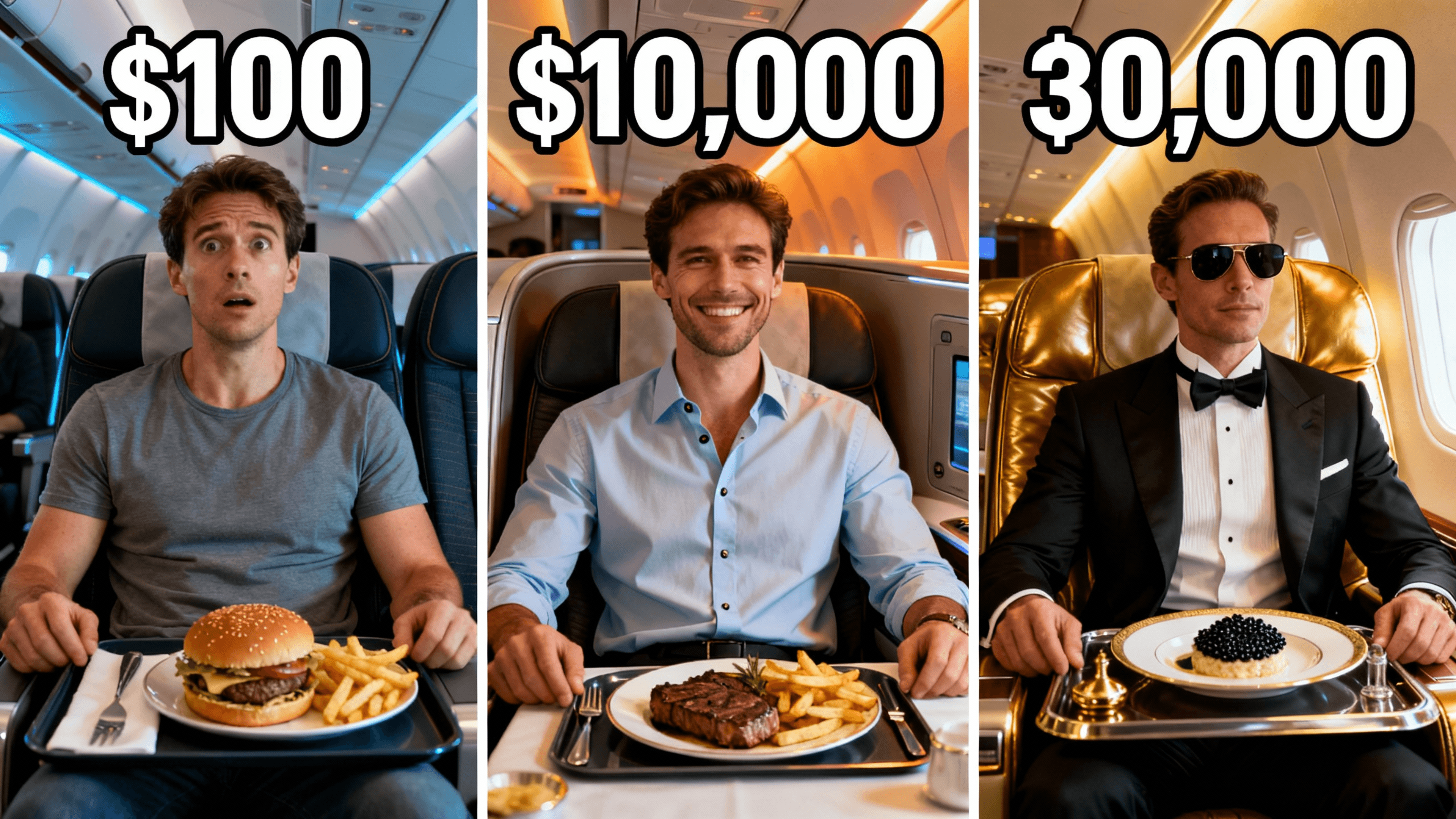
| Finance / Business | Clean layouts, money imagery, confident expressions | Blue, green, white, black | Specific numbers, "$47K in 30 days" |
| Fitness | Before/after splits, transformation shots, effort faces | Bold red, orange, black | Results-focused, "Lost 20lbs", "90 Day Result" |
| Travel / Vlog | Cinematic wide shots, person in striking location | Warm golds, vivid blues | Location + hook, "I MOVED HERE" |
| Food / Cooking | Extreme close-ups of finished dish, dramatic lighting | Warm oranges, deep reds | Simple name + superlative, "BEST Pasta Ever" |
| Education / How-To | Diagram overlay, clean background, clear subject | Blue, white, professional tones | Question or result, "Why X Happens" |
There is no single right answer, but the most common options fall into four categories:
Adobe Photoshop. The industry standard for full control. You can do anything in Photoshop, but it costs $22/month and takes weeks to learn properly. Most beginner creators find it overkill for thumbnails.
Canva. The most popular free option. Good template library, easy to use. The limitation is that everyone uses the same templates, so channels using Canva often look similar to each other. Also, custom unique images require a paid plan.
Dedicated thumbnail tools (like Thumbnail Studioo). Built specifically for thumbnail workflows. These generate visual starting points from text prompts, keep a 16:9 canvas, offer multiple export sizes, and provide focused editing tools without a general design-suite interface.
Free image editors (GIMP, Pixlr). Free alternatives to Photoshop. More capable than Canva but steeper learning curve than dedicated thumbnail tools.
The right tool depends on your goals. If you want speed and unique images, use a dedicated AI thumbnail tool. If you want maximum design control and don't mind the learning curve, Photoshop. If you're just starting and want free templates, Canva works fine until you outgrow it.
| Tool | Cost | Unique Images | Time to First Thumbnail | Best For |
|---|---|---|---|---|
| Thumbnail Studioo | 3-day trial | AI-generated starting points | Prompt-led workflow | Focused generation and editing |
| Canva | Check current plans | Templates and design tools | Template-led workflow | Broad design use cases |
| Photoshop | Check current plans | Full manual control | Layer-based workflow | Experienced image editors |
| GIMP | Free software | Full manual control | Layer-based workflow | Manual editing without a subscription |
Once you have your thumbnail ready, uploading it takes about 30 seconds:
For a new video:
For an existing video:
Things to check before uploading:
You can change your thumbnail as many times as you want after publishing. Swapping thumbnails on old videos with existing impressions is one of the fastest ways to test what gets more clicks.
Describe the video concept, refine the generated image, add readable text, and export in HD, 2K, or 4K. Full access is available through a card-required 3-day trial.
Start a 3-Day TrialFree 3-day trial • Cancel anytime
FAQ
YouTube currently recommends 3840x2160 in a 16:9 ratio. A smaller 16:9 HD export can still be useful when file size matters, but 3840x2160 is the published recommendation. Always preview the design at small feed size before uploading.
You can use a free image editor or a tool with a trial. Thumbnail Studioo requires a card for its 3-day trial and includes the generator, editor, and watermark-free exports during that period. Cancel before the trial ends to avoid renewal.
A good thumbnail communicates one clear idea at feed size. Use a dominant subject, readable contrast, and only as much text as the concept needs. Faces and bright colors can help in some niches, but test those choices against your own audience rather than treating them as universal rules.
AI thumbnail generators save time by creating professional layouts in seconds. Describe your video concept and get multiple design options instantly. However, always review and refine AI results - adjust text placement, boost colors, or regenerate elements to match your brand style before publishing.
The time depends on the source material and how many variations you test. A prompt-led starting point can reduce setup time, but you should still budget time to verify text, crop, factual accuracy, and readability at feed size.
Yes. Open the video in YouTube Studio and replace the thumbnail in its details. Eligible channels can also use YouTube Studio's native Test & Compare feature to compare up to three options using watch-time share.
It varies by channel size. Smaller and mid-size creators commonly use dedicated thumbnail tools like Thumbnail Studioo because they generate custom images fast without design skills. Larger channels with design budgets often use Photoshop or hire thumbnail designers. Canva is popular with beginners because it is free, though the templates are shared across millions of channels.
Yes. Thumbnail Studioo works in any mobile browser, describe your thumbnail concept, generate it with AI, add text, and export. The key thing to check on mobile is that your text is readable at small sizes, since most of your viewers are also on phones. Other mobile apps like Canva and PicsArt have thumbnail templates too, but AI-generated custom images require a web-based tool.
Check impressions click-through rate in YouTube Studio under Analytics → Reach, but interpret it with traffic source, topic, audience, and retention. There is no universal good CTR for every channel. Use Test & Compare for controlled thumbnail experiments and review watch time as well as clicks.
Use a face when the creator or reaction is part of the video's promise. Product, food, gameplay, travel, and tutorial thumbnails may work better with the subject itself. Test a face-led version against a subject-led version instead of assuming one approach always wins.
Bold, heavy-weight sans-serif fonts perform best. The font needs to be readable at small sizes on a phone screen. Popular choices include Impact, Anton, Bebas Neue, and Montserrat Black. Avoid thin or script fonts, they disappear at thumbnail size. Always use white or yellow text with a dark stroke or drop shadow so the text is readable against any background color.