1
Start
Upload an image or generate a custom background with AI.
See The Difference

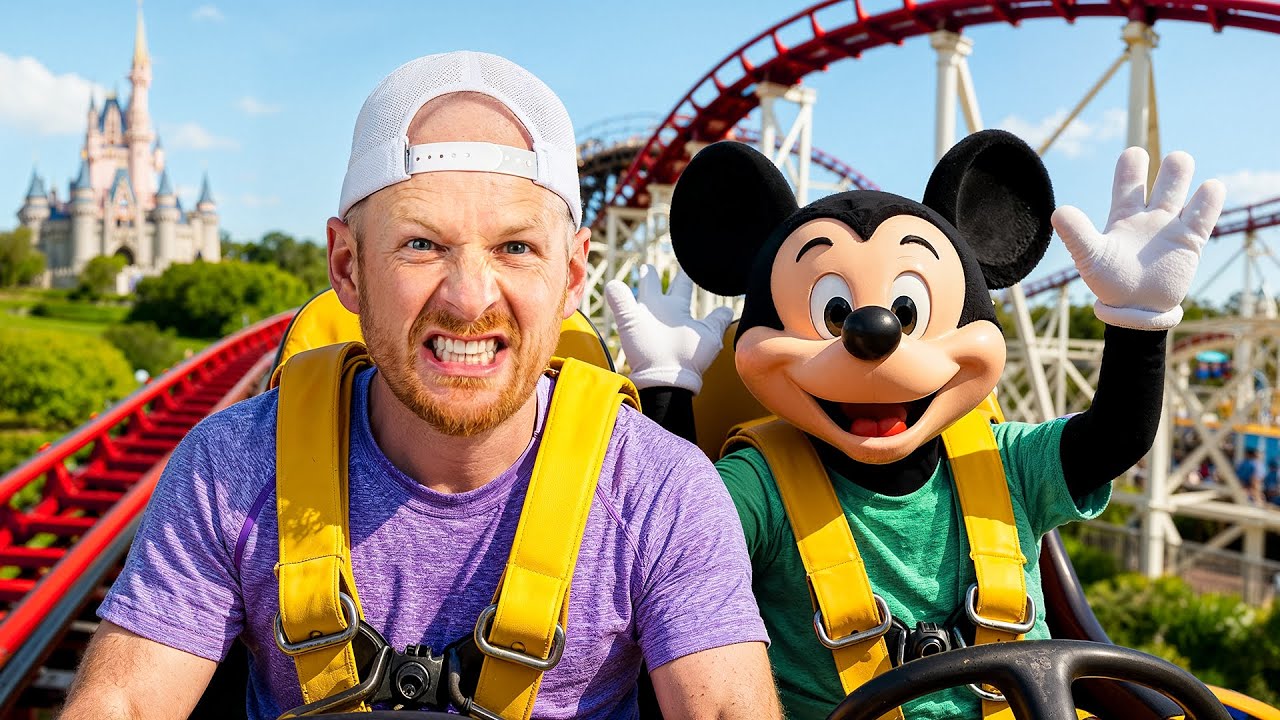
How It Works
Upload an image or generate a custom background with AI.
Describe the text, colors, or visual elements you want and let the AI apply them.
Ask for changes to colors, text, or composition until it looks right.
Download at 1280x720 ready for YouTube or Twitch.
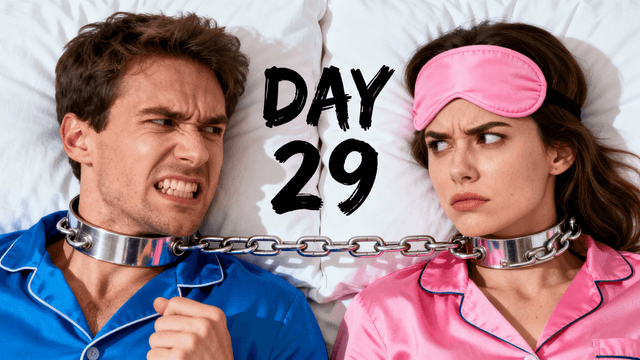
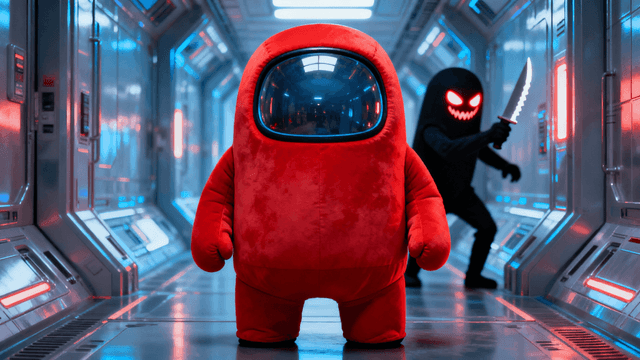
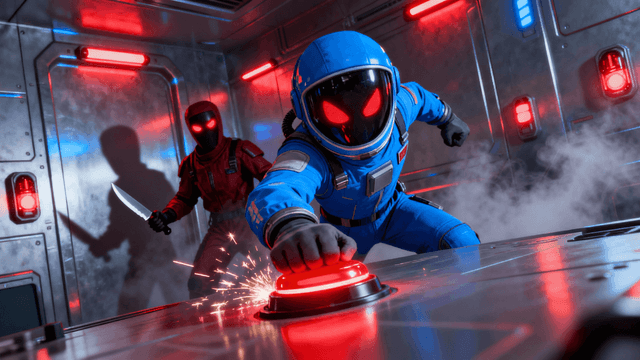
Examples


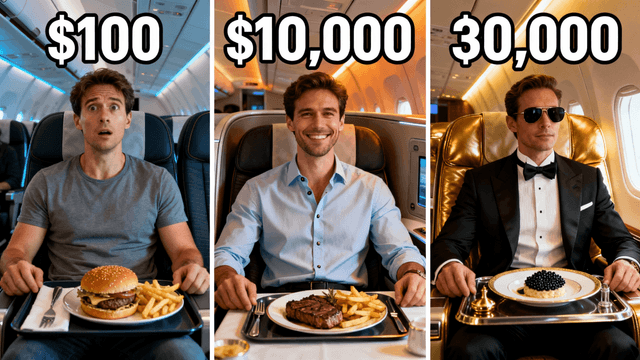


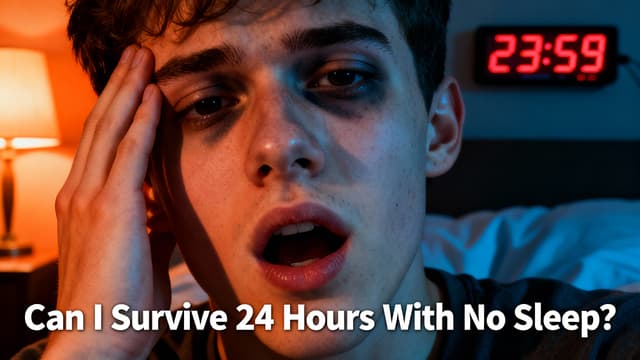

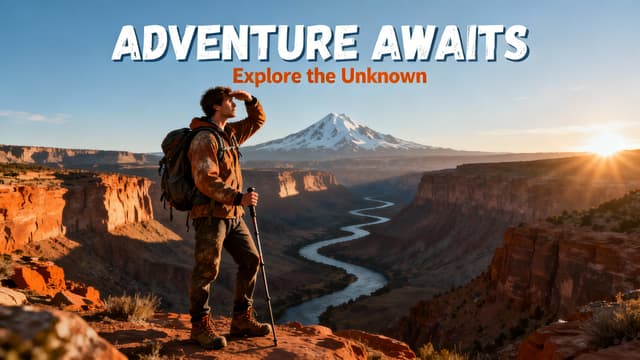
Who It's For
Creators who want to make thumbnails from scratch without Photoshop
Anyone who wants to describe an edit in plain English instead of learning a design tool
YouTubers who want AI backgrounds plus manual text control
New creators learning how to design click-worthy thumbnails
Benefits
Describe the text, color, or change you want in plain English and the AI applies it. No layers, masks, or blend modes required.
No perfect background? Describe one in plain language and the AI generates it. Faster than stock-photo hunting, and nobody else has the image.
Every time you export a thumbnail, that version saves automatically with a timestamp and description. This means you can experiment freely, knowing you can always go back to any previous version. It also makes A/B testing straightforward: create multiple variations, export them all, and compare performance to see which design resonates with your audience.
The canvas opens at exactly the resolution YouTube and Twitch require, so there is no guessing about dimensions or aspect ratios. Exports are optimized to stay under file size limits while maintaining visual quality. Your thumbnails upload and display correctly without any additional resizing or conversion steps.
Try These
“Person standing in front of a huge pile of money, arms spread wide, excited happy expression, bright studio lighting, clean background with space for big text”
“Gaming setup with RGB lights everywhere, empty gaming chair in the center, screens showing gameplay, dark room with colorful lighting, ready for a face cutout”
“Beautiful sunset over the ocean, empty beach, peaceful relaxing mood, warm orange and pink colors, lots of sky space for adding text”
Most thumbnail tools are built for designers, not creators. The learning curve is steep, the interface is overwhelming, and you end up spending more time figuring out the software than actually making the thumbnail. You just want something that works fast and looks good.
Thumbnail Studioo's AI thumbnail generator creates custom backgrounds from your text description in seconds. Jump into the thumbnail editor to add your title text, adjust colors, and export at the exact size YouTube needs, up to 4K. Sign in free and make your first thumbnail now.
Most creators think making a good thumbnail requires design knowledge. It doesn't. It requires knowing what makes people click.
You need one clear subject, readable text, and colors that stand out. That's it. The AI handles the visual side. You handle the strategy.
Start by deciding what the thumbnail needs to communicate. What's the hook of your video? What would make someone stop scrolling? Type that as a description, let the AI generate the visual, then add your title text on top.
Bold fonts work better than fancy ones. White or yellow text on dark backgrounds is readable at any size. Keep text under 5 words. Check how it looks on your phone before uploading. That's the whole process.
Three tools, three very different experiences:
| Tool | Time to First Thumbnail | Design Skills Needed | Unique Images | Best For |
|---|---|---|---|---|
| Thumbnail Studioo | Under 3 minutes | None | Yes, AI generates from scratch | Creators who want fast, original thumbnails without a learning curve |
| Canva | 10-20 minutes | Basic | No, templates are shared with everyone | Creators comfortable with templates who don't mind looking like other channels |
| Photoshop | 1 hour minimum to learn | Advanced | Yes, if you know how | Professional designers who need full control and have time to invest |
Look at the top videos in any YouTube niche. The thumbnails all share the same characteristics regardless of content type.
One clear focal point. Your eye knows immediately where to look. Whether it's a face, a product, or a scene, one thing dominates the frame.
Readable text at small size. Most people browse on their phone. If your text isn't readable at thumbnail size on a phone screen, it might as well not be there. Bold, thick fonts, high contrast colors.
An emotional hook. The best thumbnails make you feel something before you even click. Curiosity, excitement, shock, desire. That feeling drives the click, not the information in the text.
Colors that pop against YouTube's interface. YouTube's background is white or dark grey. Red, yellow, and electric blue stand out. Muted colors blend in and disappear.
You don't need a gaming channel or a huge budget to make great thumbnails. These ideas work for any niche:
Show the transformation. Before and after is the most universal thumbnail format on YouTube. Left side shows the problem, right side shows the result. Works for fitness, home improvement, tutorials, makeovers, anything where something changes.
Show the reaction, not just the moment. Your face reacting to something is more clickable than a screenshot of the thing itself. A shocked expression next to a big number or an unusual object creates immediate curiosity.
Use a question your viewer is already asking. "Why does nobody talk about this?" or "I tried this for 30 days" creates an open loop that only clicking will close. The thumbnail creates the question, the video answers it.
Show something unexpected. An unusual combination, an extreme comparison, or an absurd scenario. The brain can't scroll past things that don't make sense. It needs to find out why.
Your video gets impressions but nobody clicks. Here's what's probably going wrong:
Too much going on. Every element you add competes for attention. A busy thumbnail with five things to look at ends up with the viewer looking at nothing and scrolling on. Pick one subject, one text element, done.
Font that can't be read at small size. Decorative or script fonts look nice on your monitor. At thumbnail size on a phone they turn into unreadable blobs. Use thick, bold, sans-serif fonts only.
Screenshot from the video. A random video frame is almost never a good thumbnail. It lacks composition, lighting is usually bad, and it doesn't tell the viewer why they should watch.
Text that summarises instead of intriguing. "How I Fixed My Sleep Schedule" tells the whole story. "I Did This Every Night For 30 Days" leaves a gap. Curiosity gaps drive clicks. Full summaries kill them.
Not checking on mobile. Design on a desktop, forget to check on a phone, and half your audience sees a thumbnail where the face is tiny and the text is unreadable. Always check mobile before uploading.
Best Practices
Build your thumbnail in layers, starting with the background and working forward. Add your background image or color first, then place any photos or screenshots on top of that, then add text as the final layer. This approach keeps your design organized and makes it easier to adjust individual elements without affecting everything else.
Design with mobile viewers in mind from the start, since the majority of YouTube views happen on phones and tablets. Text that looks perfectly readable on your large monitor often becomes illegible when shrunk to thumbnail size on a mobile screen. Make your headlines larger than feels necessary, use bold fonts, and preview at small sizes before finalizing.
Stick to high-contrast color combinations that remain visible even at small sizes. White or yellow text on dark backgrounds, dark text on bright backgrounds, and complementary colors that naturally stand apart from each other. Avoid color combinations where elements blend together when viewed at a glance.
Keep your text short and punchy. The most effective thumbnail headlines are three to five words that create curiosity or clearly communicate what the video offers. Long sentences get cut off or become unreadable. If you cannot convey your message in a few words, focus on the single most compelling aspect.
Use composition to guide viewer attention instead of clutter. Ask the AI to frame the important element large and centered, or describe a glow or spotlight effect around it. Too many competing visual elements create confusion, not focus.
Common Mistakes
Choosing decorative or script fonts that look elegant up close but become illegible blobs when shrunk to thumbnail size. Stick with bold, thick, sans-serif fonts that maintain readability at any size. There is a reason most successful YouTubers use simple, heavy fonts in their thumbnails.
Designing on a large monitor without ever previewing at realistic viewing sizes. Your thumbnail might look fantastic at full size, but viewers will see it as a small image competing with dozens of others. Always check how your design looks when scaled down before exporting.
Placing elements randomly without thinking about visual hierarchy. Professional thumbnails have a clear order of importance: the most important element catches your eye first, then secondary elements, then background details. Use size, color, and positioning to create this hierarchy intentionally.
Overloading the thumbnail with too many competing visual elements. When everything is trying to grab attention, nothing succeeds. One clear focal point works. Five things fighting for attention is chaotic and confusing.
Using color schemes that do not match your content niche or audience expectations. Gaming content often uses bright neons and dark backgrounds. Educational content tends toward cleaner, more professional color palettes. Food content uses warm, appetizing colors. Consider what colors your audience associates with your type of content.
Open the canvas editor and start designing. Upload your own images or generate custom backgrounds with AI. Try free for 3 days with no watermarks on any exports.
Open the Thumbnail MakerFree 3-day trial • Cancel anytime
FAQ
You can try Thumbnail Studioo free for 3 days with full access to all tools including AI generation, the canvas editor, and HD export with no watermarks. Try it free for 3 days.
No design background is required. You describe what you want, a background, a text change, a color adjustment, in plain English, and the AI applies it. There are no layers, masks, or manual text boxes to learn. If you can write a sentence, you have the skills to create thumbnails. Most new users create their first completed thumbnail within 5-10 minutes.
YouTube recommends thumbnails be 1280x720 pixels with a 16:9 aspect ratio and under 2MB file size. The thumbnail maker handles all of this automatically. The canvas opens at exactly these dimensions, and exports are optimized to meet YouTube specifications. You do not need to manually set dimensions or worry about file size limits.
Yes. While the default settings are optimized for YouTube and Twitch, the 1280x720 resolution works well for most video platforms and social media sites. You can also export at different resolutions if you need specific sizes for other purposes. The thumbnail files you create are standard image files that work anywhere you can upload images.
Canva and Photoshop are general-purpose design tools that can do many things. Thumbnail Studioo is built specifically for video thumbnail creation, which means everything is optimized for that workflow. The canvas opens pre-sized for video platforms so you never have to look up dimensions. Text presets are configured for mobile readability since that is where most viewers see thumbnails. AI generation is tuned specifically for thumbnail aesthetics. And version history automatically saves every export for easy A/B testing. The trade-off is that Thumbnail Studioo cannot design business cards or edit photos the way general-purpose tools can, but for the specific task of making video thumbnails, the focused workflow saves time.
Every time you export a thumbnail, that version saves automatically to your version history. You can return to any previous version and continue editing from that point. You can also keep working on your current design and export again as many times as you want. This makes experimentation risk-free since you never lose earlier versions of your work.